Learn from every game you play

Chessdock finds the key moments in your games.

You get focused game reviews with AI-assisted explanations and personalized puzzles built from your own mistakes.

You connect your Chess.com or Lichess account.
Chessdock analyzes your games and finds the key moments worth revisiting. Then it's yours to work on – two ways:

Game reviews Understand what changed
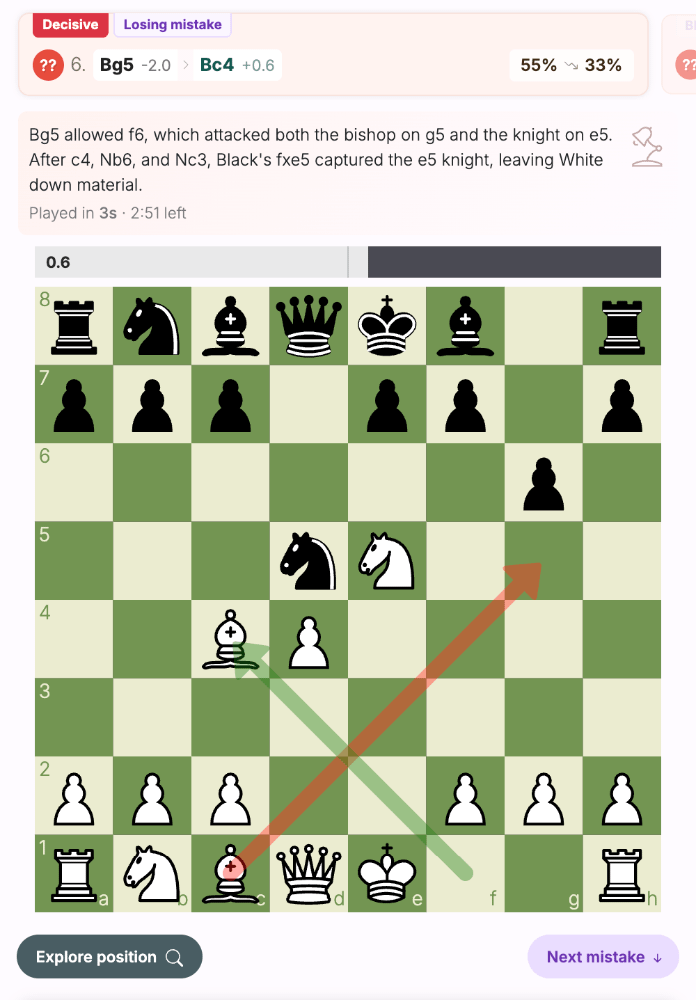
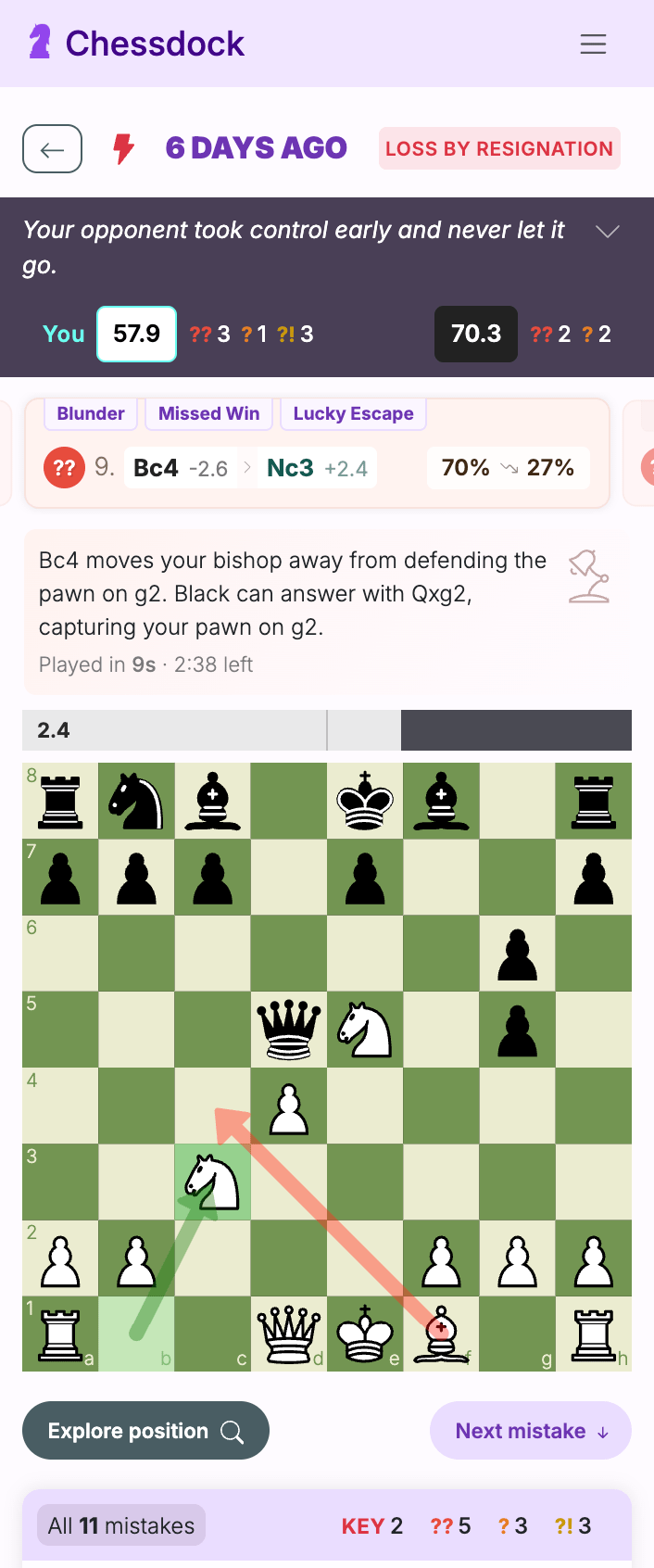
See your game through the moments that shaped it. Understand what changed, solve the position, or explore it with the engine.
  • Complete game analysis, ready for review
  • Key moments clearly explained with AI
  • Every mistake ready to explore
Puzzles Practise what you missed
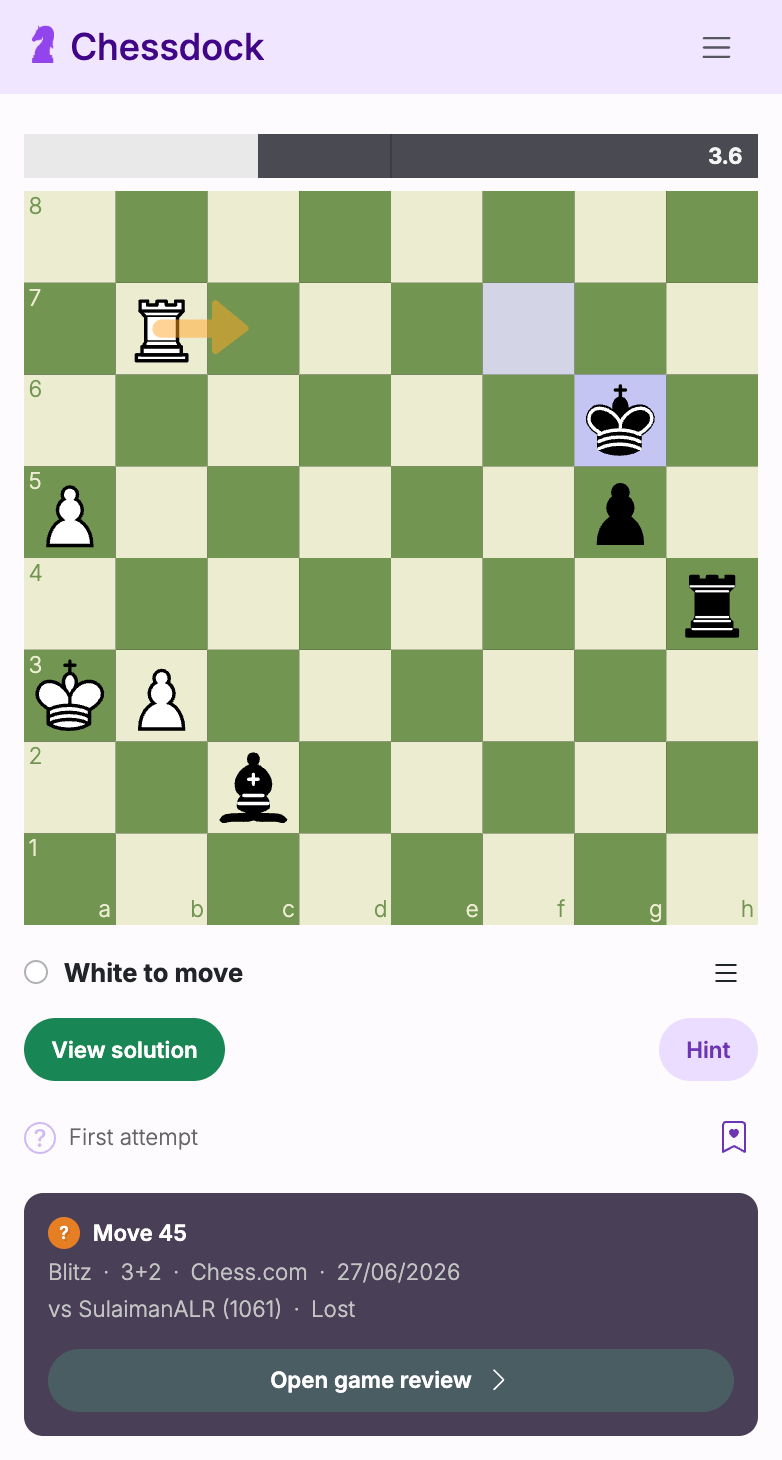
Turn mistakes from your own games into puzzles that help the lesson stick.
  • Every position fully analyzed
  • Smart selection and spaced repetition
  • Only positions from games you’ve played
also includes

iOS & Android apps Your games and puzzles, on the go or on the couch
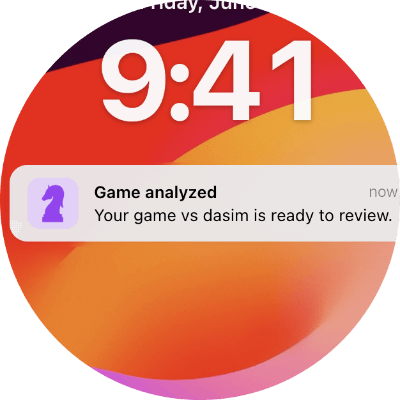
Fresh review notifications Get notified minutes after you finish a game online
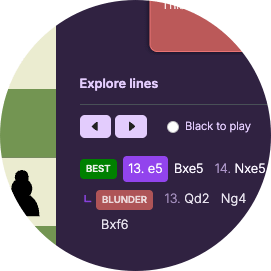
Analysis board Open the engine on any position you like
Bookmarks Save the games and puzzles worth revisiting
Game reviews

See your game through its key moments

A useful review doesn’t need to replay every move. Chessdock narrows the game to the moments worth understanding.

The moments that mattered

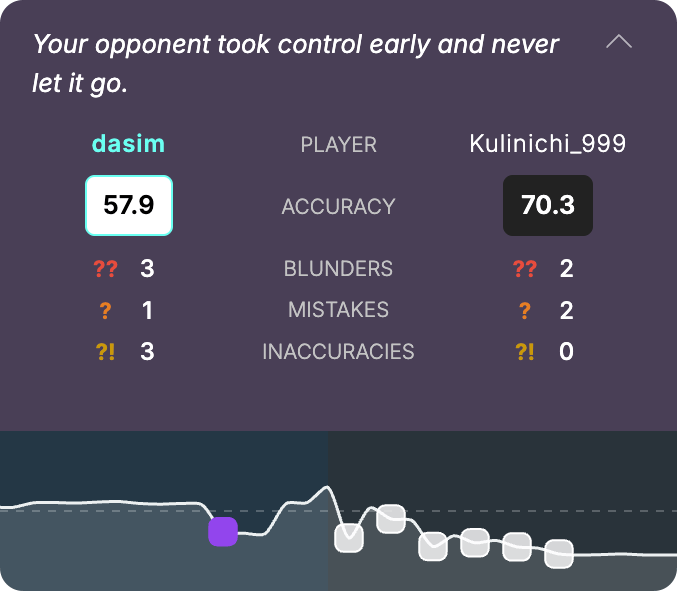
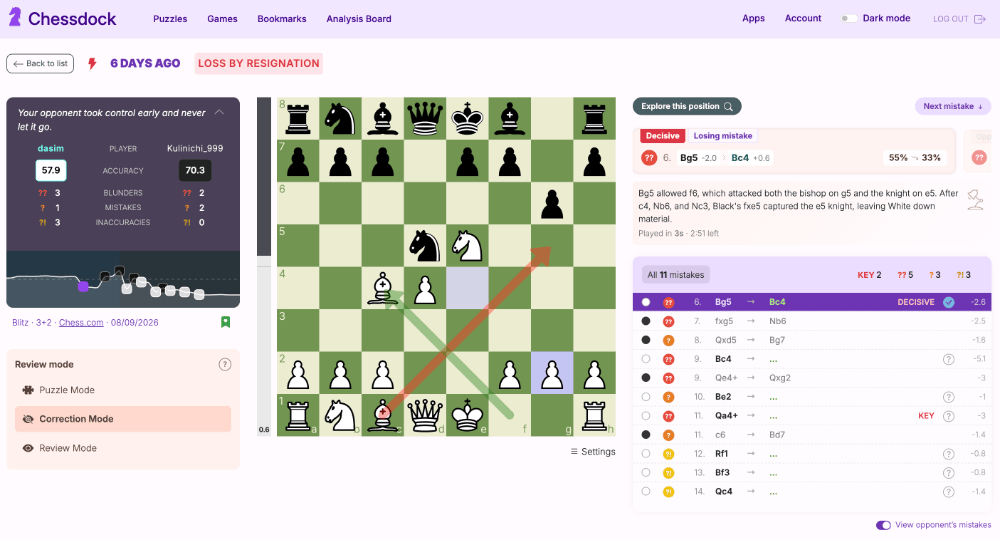
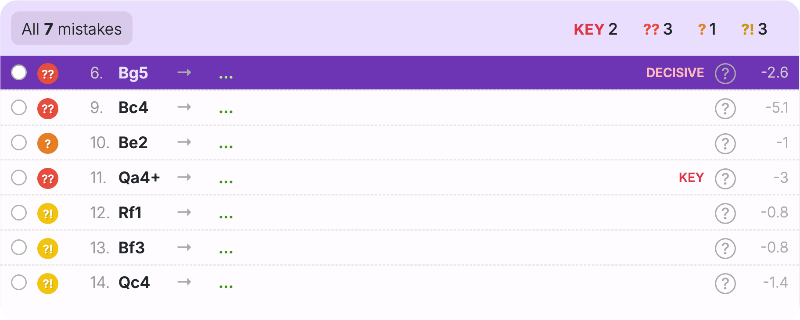
Instead of scrolling through every move, you get a focused timeline of key moments, yours and your opponent’s too.

A short summary gives you the shape of the game before you decide where to look closer.

Key moments, clearly explained

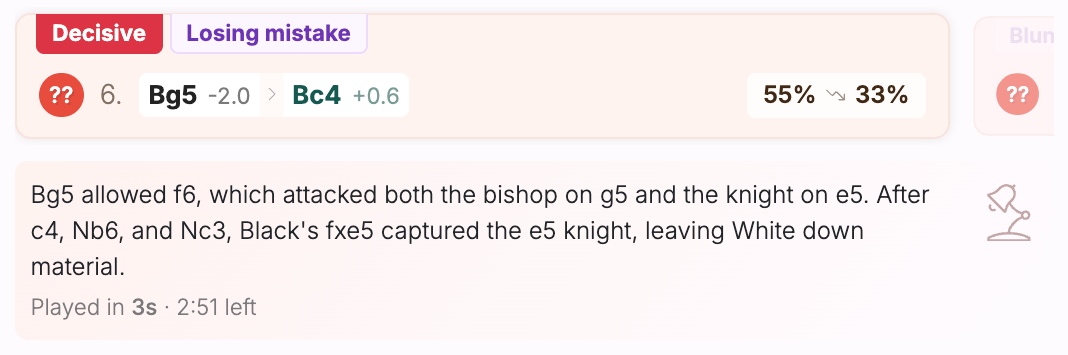
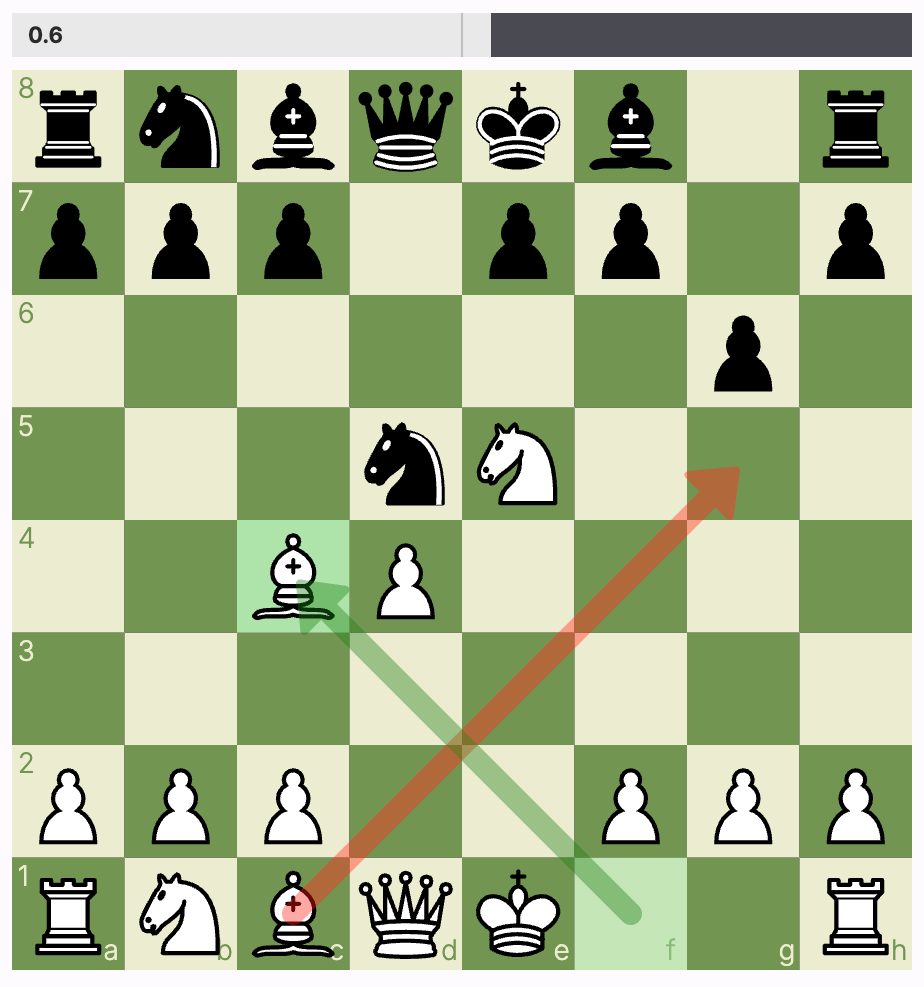
At key moments, we combine engine analysis with AI to explain what a mistake allowed, missed, or set in motion.

Unpunished doesn’t mean harmless

Your opponent may not have taken advantage of the mistake. Chessdock can still uncover the opportunity it created and show what could have happened.

AI-assisted explanations

The engine establishes the chess evidence, to identify and analyze key moments. AI adds a human-readable layer to the analysis.

See how the game changed

Put each key moment into the larger story. See how the winning chances shifted, whether the position recovered, and how much time was spent on the move.

The graph shows where the game slipped away or came back.

Work it out for yourself

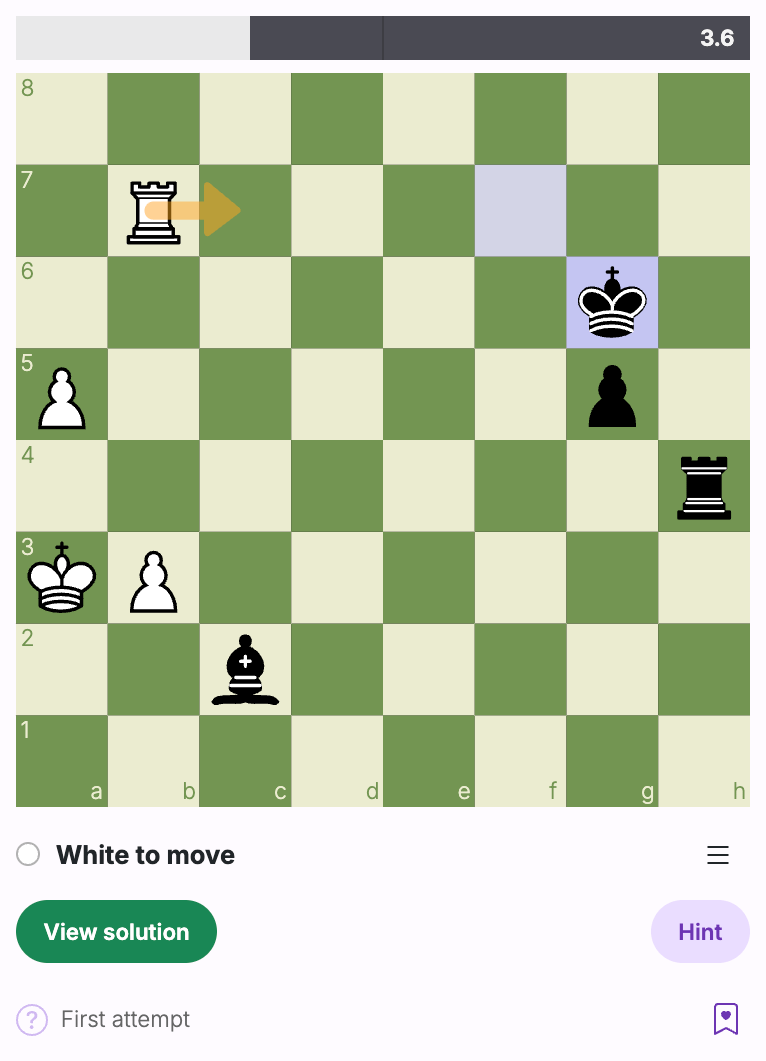
An explanation points you toward the important idea, but understanding still happens on the board.

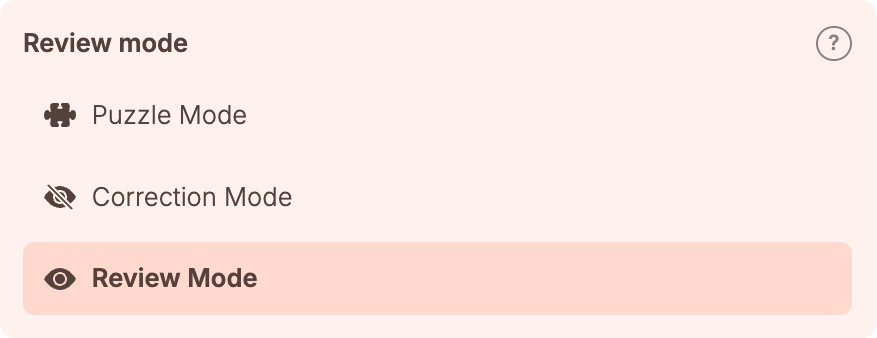
Solve the position without help, look for a better move, reveal the continuation, or open the engine and try your own ideas.

Follow the consequences and see for yourself why the moment mattered.

Puzzles

Turn your own mistakes into practice

Understanding a mistake is the beginning. Revisiting it helps the lesson stick.

Your positions, not random ones

Every puzzle comes from a game you played. You can return to the complete game whenever you want the original context.

Efficient practice

Smart selection finds a useful mistake to practise, while spaced repetition brings it back when revisiting it can help.

A library that grows as you play

New puzzles are added as you play more games.

On the yearly plan: build your puzzle library from up to thousands of past games.

Try for free

7-day free trial · no card required

Pricing for full version

Best value
Yearly
$59.99 / year
  • Review of every new game
  • AI-assisted explanations for key moments in new games
  • Puzzles from all reviewed games
  • Apps with fresh review notifications
  • Up to 2,000 past games analyzed for reviews and puzzles
About $5.00 / month
Monthly
$7.99 / month
  • Review of every new game
  • AI-assisted explanations for key moments in new games
  • Puzzles from all reviewed games
  • Apps with fresh review notifications
  • 20 past games analyzed for reviews and puzzles

Choose monthly flexibility or the best-value yearly plan.
Try it on your own games before you spend a thing.

AI-assisted explanations cover the 20 games analyzed during your trial and games played after signup. Extended history imports include engine reviews and personalized puzzles.

How does Chessdock compare to other tools

Chess.com Game Review vs Chessdock
See pros and cons of both platforms to see which one suits you better.
Chess.com
Aimchess vs Chessdock
Is Aimchess or Chessdock the better choice for your improvement? And how do they differ?
Chess.com
Lichess vs Chessdock
See what Chessdock has to offer beyond beloved Lichess platform.
Chess.com
Chessable vs Chessdock
How can Chessdock complement Chessable’s educational content?
Chess.com

Common questions

How is this different from Chess.com’s Game Review?

Two things: price and effort. On Chess.com, unlimited Game Review is a premium feature that costs a lot more than Chessdock.

And instead of opening one game at a time and clicking through every move, Chessdock reviews every game you play automatically, takes you straight to the moves that mattered, and turns your mistakes into puzzles you can practice.

Read comparison of Chess.com Game Review and Chessdock →

How does Chessdock use AI?

Chessdock first uses chess engines to identify and analyze key moments. We then use AI to turn concrete lines and facts into a short explanation of what a mistake allowed or missed. AI adds a human-readable layer to the analysis, it does not replace the engine or the value of exploring the position yourself.

Do puzzles get updated as I improve?

Yes. As you play new games, Chessdock analyzes them and creates fresh puzzles.

It’s a living training tool that grows alongside your chess journey.

Do I need to be good at chess to benefit?

Not at all. Whether you’re rated 800 or 2000, you make mistakes worth learning from – and beginners often improve fastest, because fixing a few recurring slips goes a long way.

If you play chess, Chessdock works for you.

Why practice my own mistakes instead of random puzzles?

Generic puzzle apps show random positions, often from master games. Chessdock shows you the exact positions where you went wrong.

If you consistently miss knight forks in the middlegame, you’ll get puzzles specifically focused on that. It’s personalized training based on your actual weaknesses – not someone else’s.

Read more about why this approach works →

Read more common questions